Custom E-commerce Website Design for Business Success
A practical 2026 guide to custom ecommerce web design — from bespoke vs template trade-offs and wireframing to mobile-first conversion optimization, headless architecture, integrations, and budgeting for a scalable online store.
In today's fast-paced digital era, simply having an online presence isn't enough to guarantee sales. When a business owner finally reaches the realization of, *"I need the website to do more than just exist — I need it to generate revenue,"* it is usually time to explore custom website design ecommerce.
Whether you are currently researching how to create a website for your business from scratch or looking to overhaul an underperforming store, the architecture of your online shop dictates its commercial success. Let's dive into the core components of building a profitable, scalable, and beautifully tailored e-commerce platform.
The foundation: choosing your approach
Beginners entering the digital retail space often wonder how to make a web presence that actually converts, or search for how to open an online store for free to minimize initial risks. Usually, this journey starts with drag-and-drop tools. If you find yourself asking *"which website builder should I use?"*, the market is flooded with options — from global giants to regional favorites like a website builder in Malaysia or a specialized ecommerce website builder in Malaysia, there are plenty of platforms categorized as the best website builders for small business.
However, as your business grows, the limitations of these platforms become apparent. This brings us to the debate of bespoke vs template ecommerce sites. While templates are quick to deploy, a custom build offers unparalleled brand identity through unique web aesthetics. Custom designs allow you to break free from rigid grid layouts and build a digital storefront that truly reflects your unique brand voice.
Prototyping: test before you build
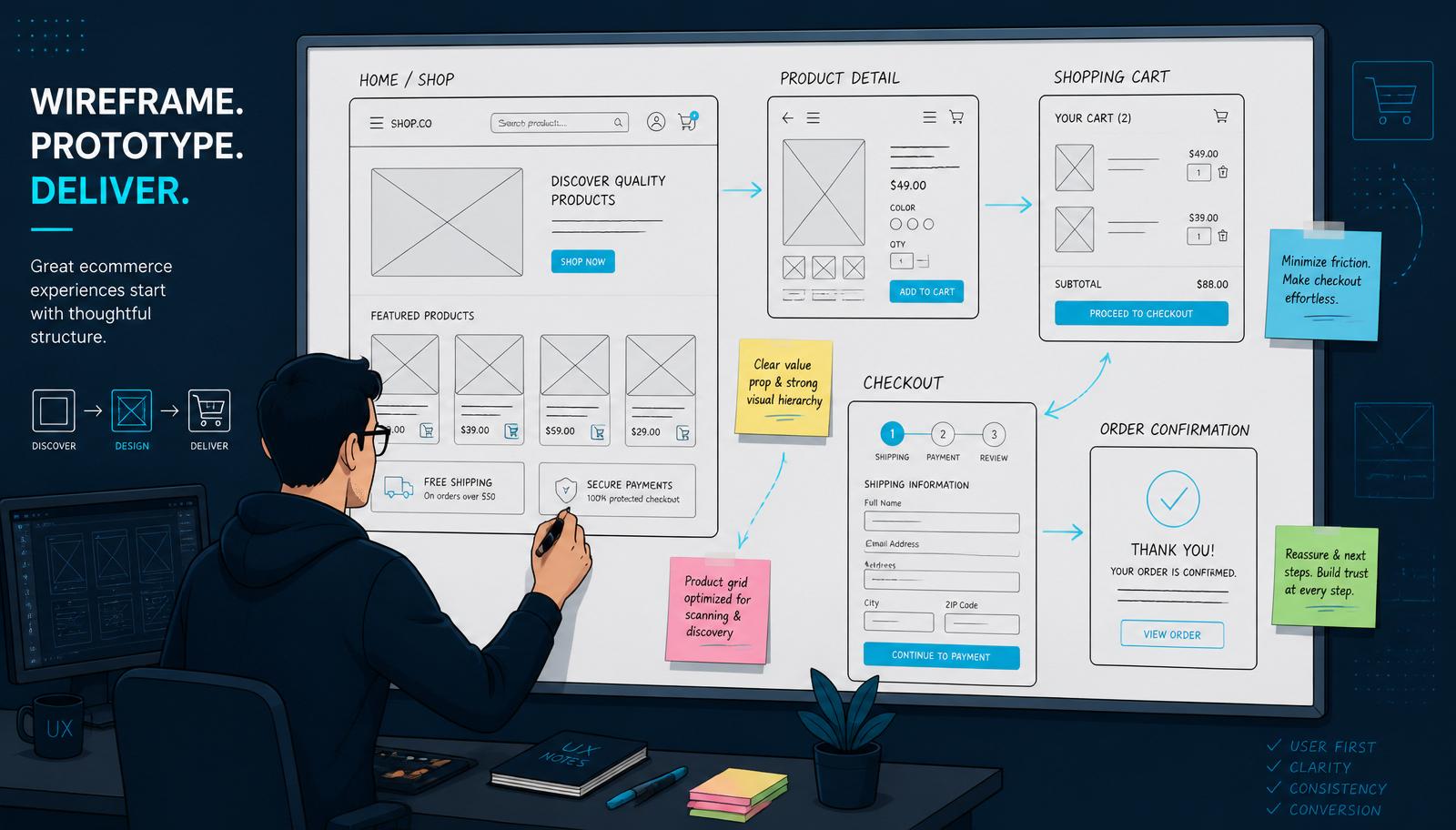
Before you write a single line of code, you need a blueprint. If you are learning how to start a website for a small business, or simply wondering how you create a web page that flows logically, wireframing is your first step.
In the professional design world, developers often use a fake website creator or mockup tool to visualize the end product. Why would a developer create fake site environments? The answer is simple: testing. By choosing to make a fake website page, you can test navigation, layout, and user flows without touching any live code.
Even if you originally looked up how to make a fake website for fun, the practice of wireframing is a highly valuable skill. When you make a fake webpage or create a fake website page for prototyping, it allows for accurate user journey mapping for niche online retailers. You can visually arrange where the "Add to Cart" button goes and how the product categories are displayed before the official development begins.
Designing for high conversions
At the end of the day, entrepreneurs want to know how to make their own website to sell stuff effectively. If you are asking how to build a selling website, the secret lies in user experience (UX) and conversion rate optimization (CRO).
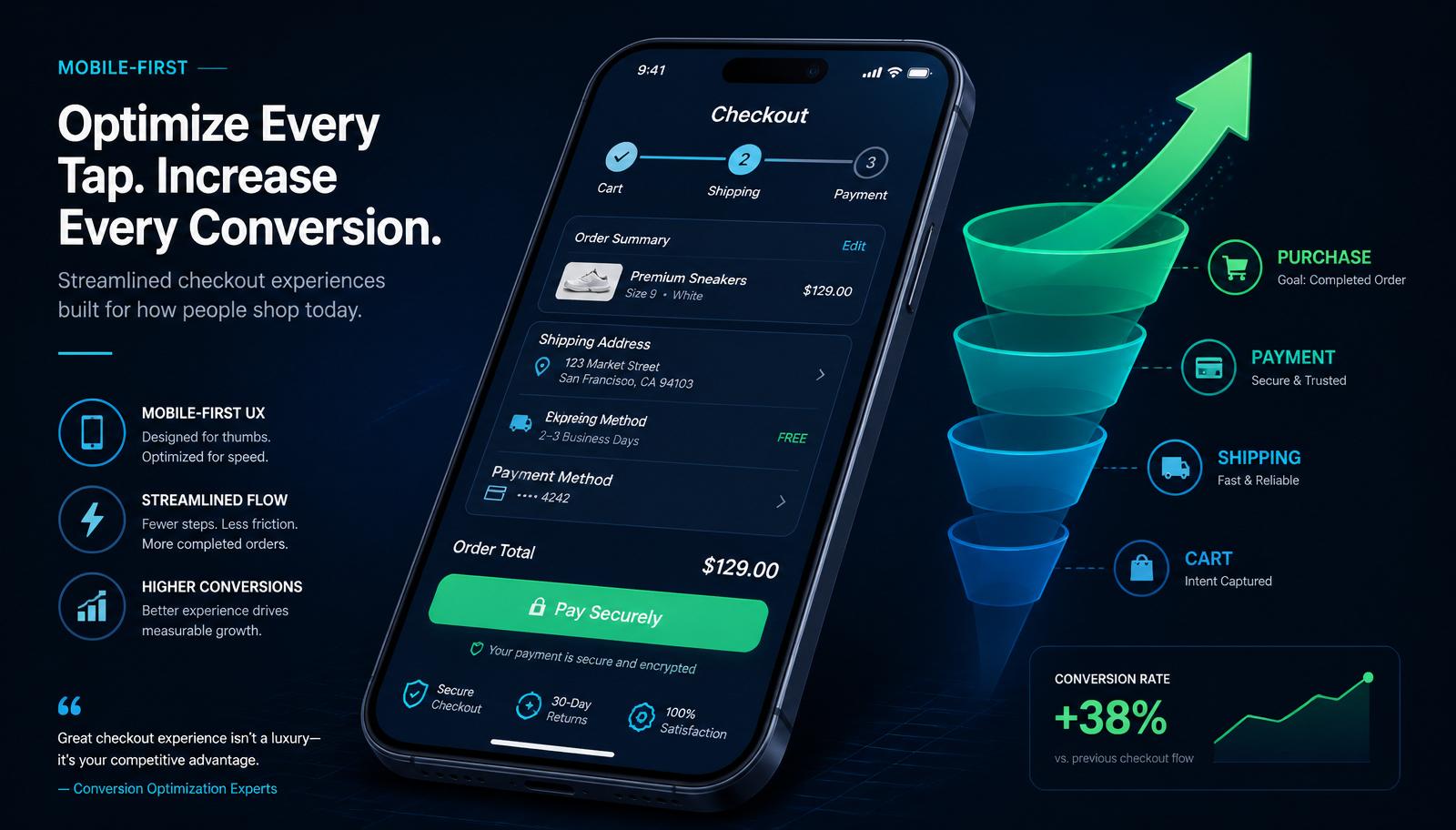
- Mobile experience: a mobile-first user experience for digital retail is no longer optional; it is mandatory. Most of your customers will browse and buy from their smartphones.
- Conversion impact: how does bespoke design impact conversion rates? Significantly. A custom design removes friction from the buying process, guiding the user seamlessly from the product page to the checkout.
- Checkout optimization: custom layouts allow for aggressive conversion rate optimization for online stores — the most effective method for improving checkout page abandonment rates. Streamlining form fields and offering guest checkouts can save countless sales.
Advanced technical features
When figuring out how to make a website that can handle thousands of visitors, you must look under the hood. You don't need to learn how to build website-builder software yourself, but you do need to understand robust digital architecture.
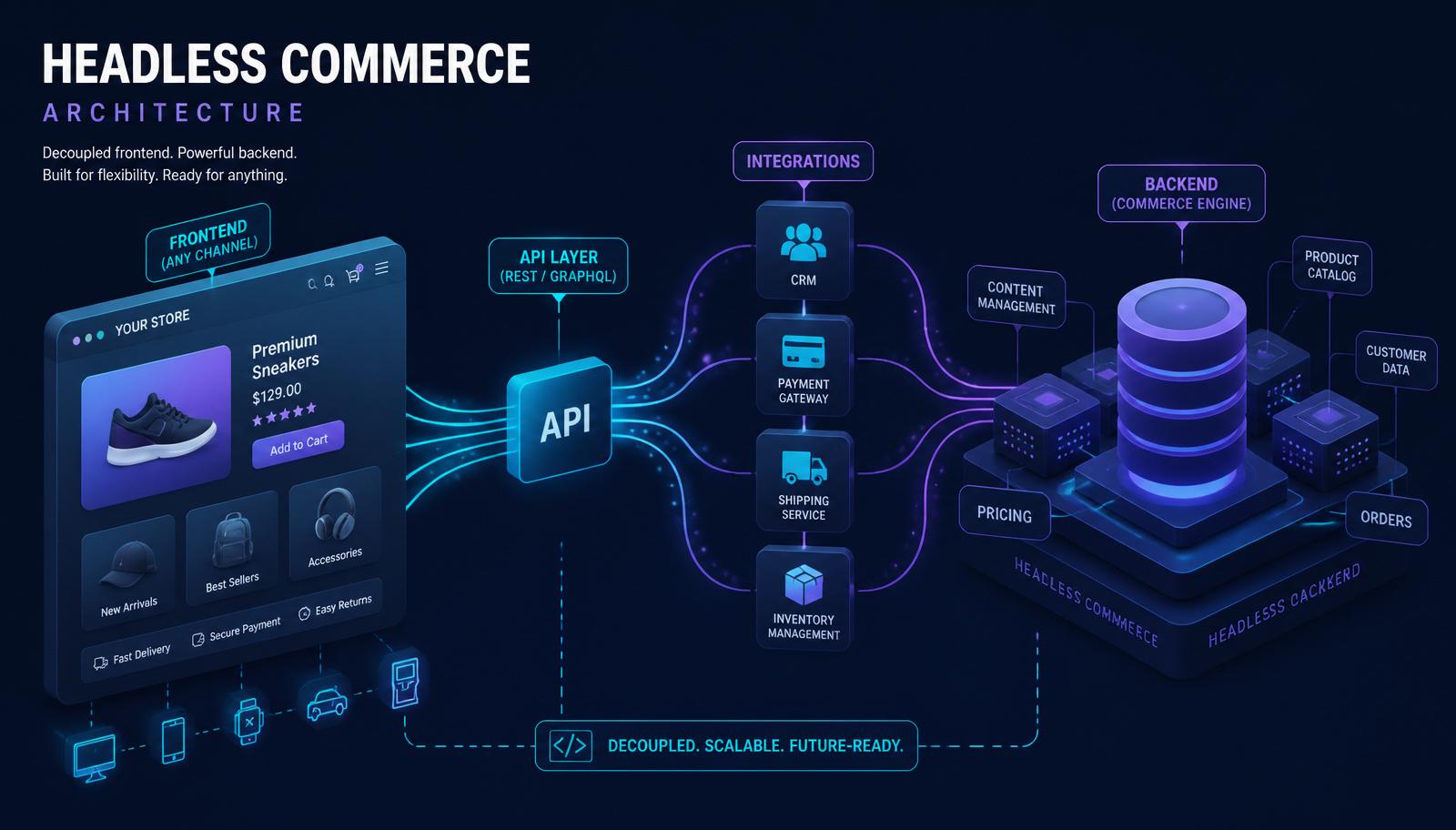
Custom e-commerce development provides massive scalability benefits of custom online storefronts. For instance, many modern brands are adopting headless setups. The headless commerce architecture benefits include decoupling the frontend design from the backend database, allowing for lightning-fast load times and infinite design flexibility.
Furthermore, custom builds allow for seamless integrating of third-party APIs for online shops. Whether you need to connect your store to an advanced CRM, a specialized shipping provider, or a unique inventory management system, custom APIs make it happen. Security is also paramount — a bespoke site allows developers to implement strict security protocols for custom payment gateways, keeping your customers' financial data safe from breaches.
Finally, you cannot ignore search engines. A custom build ensures you have the proper SEO architecture for large product catalogs, preventing duplicate content issues and optimizing site speed for high-traffic stores.
Maintenance, budget, and choosing an agency
Once you grasp how to design a website and successfully launch it, the work shifts to maintenance. You will eventually need to edit your site to update inventory, change prices, or add promotional banners. Ensure your developer builds a user-friendly Content Management System (CMS) so you can easily edit website content on the fly. If you ever hit a technical roadblock, don't hesitate to reach out to your agency and say, *"I need help with my website."*
Budgeting for your custom build
What is the average cost of tailored ecommerce solutions? The truth is, it varies wildly based on complexity. While a free website maker or a basic hobbyist tool might cost next to nothing, a highly functional, custom e-commerce platform is a serious business investment. Expect a real bespoke ecommerce build to land somewhere between $15k and $80k depending on catalog size, integrations, and design complexity — with ongoing maintenance typically at 15–20% of the initial build cost per year.
Selecting the right partner
Knowing how to choose a custom web design agency is critical. Look for a team that understands the deep intricacies of custom website design ecommerce rather than someone who merely knows how to make web-page layouts from standard templates. Ask to see their portfolio of new websites they have recently launched, and inquire about their specific strategies for e-commerce growth. If you want a shortcut, our ecommerce services team and the portfolio of shipped storefronts are a good place to start — and you can start a project brief here for a scoped proposal within one business day.
Conclusion
Mastering how to create a website takes time, research, and the right team. Whether you are just now figuring out how to set up a website for your business or you are ready to upgrade to a fully bespoke enterprise solution, the goal remains the same: creating a seamless, secure, and stunning shopping experience. By investing in custom design, prioritizing mobile users, and optimizing your technical architecture, you will build an online store that not only attracts visitors but turns them into loyal, repeat customers.