Boosting Client Engagement: Web Design for Lawyers
A practical guide for law firms on boosting client engagement with web design — trust, speed, mobile UX, interactive features, and conversion tactics that turn visits into consultations.
Boosting Client Engagement with Web Design
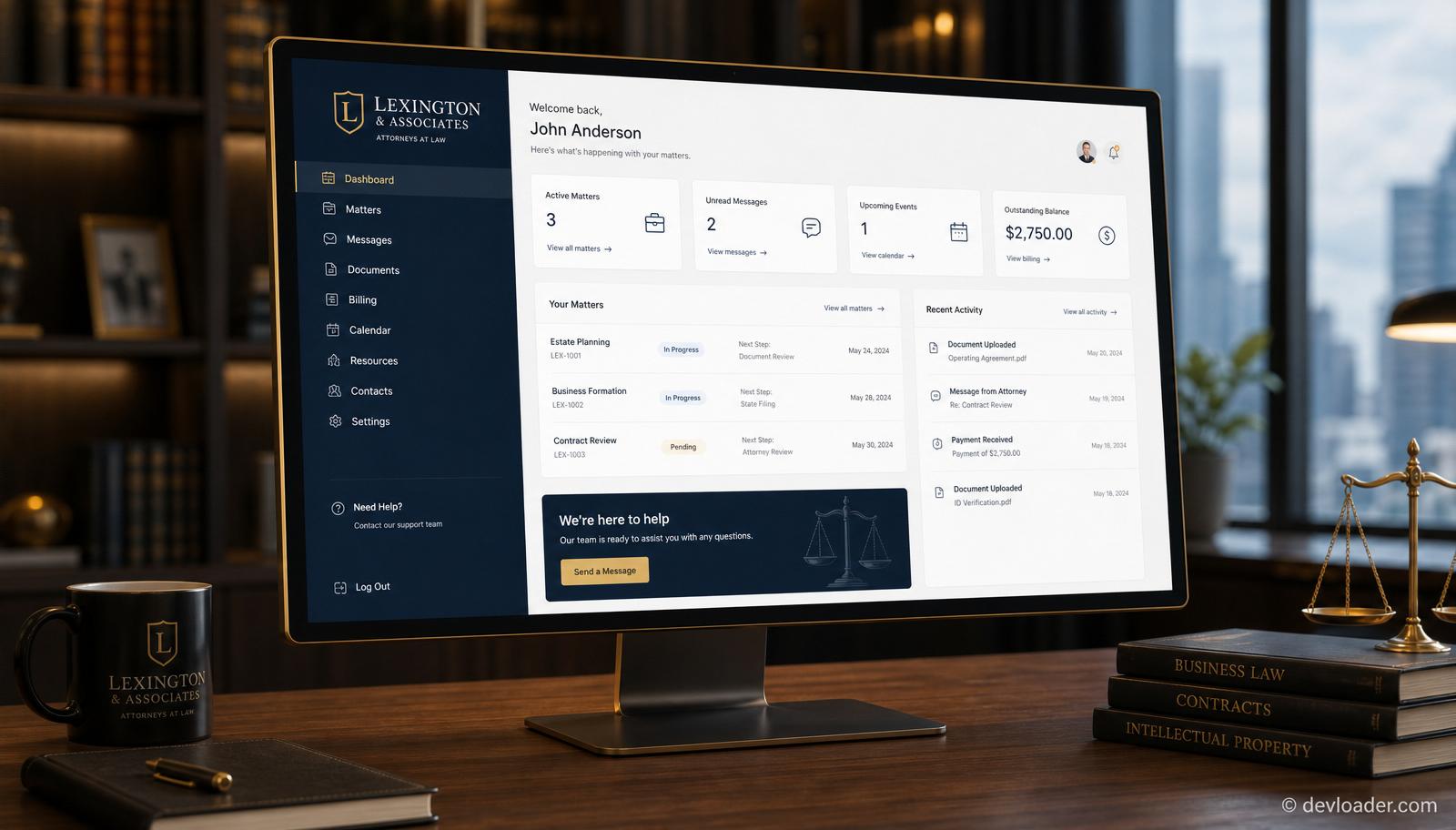
In today's highly competitive digital landscape, your website serves as your ultimate 24/7 digital storefront. For professionals across all industries — but particularly in high-stakes fields like the legal sector — simply having a basic site is no longer enough. The real challenge, and the ultimate key to growth, lies in Boosting Client Engagement with Web Design.
If you have ever stared at your site analytics and asked yourself, "why are users leaving my website quickly?" the answer almost always points back to user experience (UX) and visual design. Whether you run a local boutique agency or are exploring comprehensive law firm website design, transforming a passive visitor into an engaged, loyal client requires strategic planning.
Here is a comprehensive guide to elevating your digital presence, maximizing interaction, and designing for conversions.
Building Trust Through Strategic Aesthetics
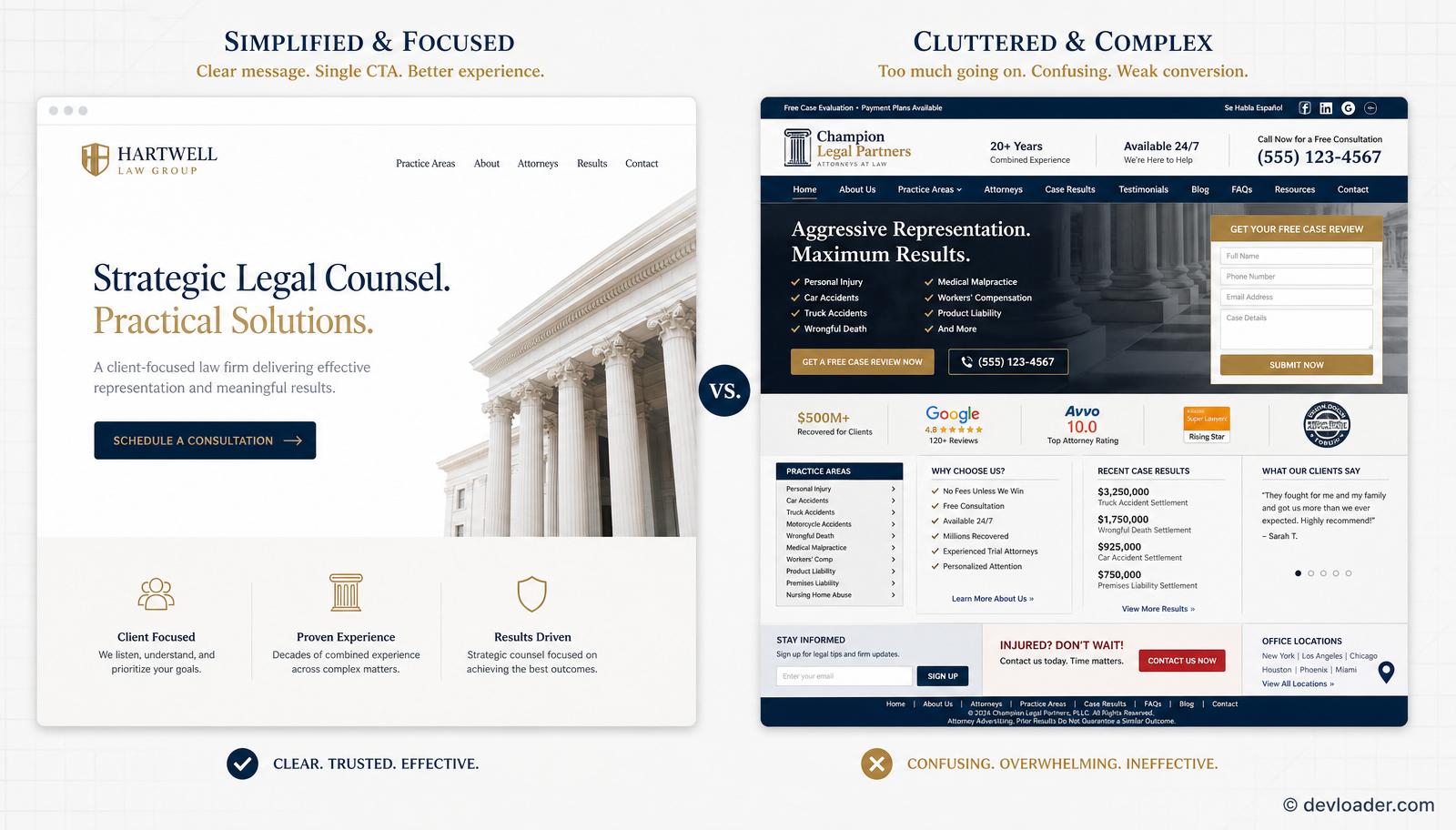
A successful website immediately signals competence and reliability. Building brand trust through visual storytelling is a highly effective way to showcase your firm's expertise, values, and human element. High-quality legal website design moves beyond generic, imposing stock photos of gavels and courthouses, favoring authentic images of your team and a cohesive brand color palette.
When debating minimalist vs complex layouts for lead generation, data consistently favors clean, minimalist aesthetics. A cluttered, text-heavy page overwhelms visitors. Streamlined layouts direct the user's eye exactly where you want it to go, which is particularly vital for small law firm websites where clear, immediate communication of your practice areas is essential.
The Mechanics of Engagement: Speed, Accessibility, and Journey
A visually stunning site is useless if it doesn't function flawlessly. To maintain a high-performing site, focus on these technical design elements:
- Speed is paramount. The impact of page speed on bounce rates cannot be overstated. A delay of even two to three seconds can frustrate users and cost a valuable lead. Compress images, leverage browser caching, and use efficient code.
- Device adaptability. Understanding mobile-first design vs desktop UX is critical. Most traffic now comes from smartphones — design for mobile first so menus, text sizes, and buttons are tap-friendly, then scale up to desktop.
- Inclusivity. Accessible design standards (WCAG / ADA compliance) let users with visual or motor impairments navigate via screen readers or keyboard. This expands your client base and boosts SEO.
By mastering these technical aspects, you actively optimize the user journey for higher retention, ensuring a frictionless path from the homepage to the contact form.
Specialized Approaches: Mastering Web Design for the Legal Industry
Finding the right approach for web design for lawyers requires an intricate understanding of the legal industry's unique demands. Confidentiality, authority, and ease of contact are paramount.
A solo practitioner just starting out might search for a DIY lawyer website builder or the best website builder for law firm use. A straightforward law firm website builder can offer a quick, temporary fix. However, for scalable growth and true market dominance, exploring professional law firm website design services is a significantly wiser investment.
When you invest in custom law firm website design, you guarantee your practice stands out from the local competition. This bespoke approach applies equally to custom lawyer web design and custom web design for lawyers. Working with a dedicated law firm web design agency ensures the nuances of your specific practice areas are highlighted effectively.
If you want to dominate your local market, robust lawyer website development and tailored website design for legal firms must prioritize secure client portals, logically structured practice area landing pages, and prominent attorney bios. Excellent firm website design translates complex legal jargon into readable, engaging content.
Whether you are looking for website design for lawyers, comprehensive law firm web development, or specialized attorney web development, the ultimate goal is establishing unshakeable credibility. If you are upgrading a legacy site, seek out the best law firm website design companies — experts who cover everything from law office web design to complete website development for lawyers. Prioritizing bespoke lawyer website design ensures your platform performs as a dedicated sales tool.
Interactive Elements and Conversion Tactics
How do you keep users on your page once they arrive? If you are wondering how to increase website interaction rates, the secret is dynamic functionality.
- Engaging features. Interactive elements like legal fee calculators, interactive service maps, and dynamic FAQs encourage visitors to spend more time actively engaging with your content.
- Delightful details. Micro-interactions — buttons that subtly shift on hover, smooth dropdown transitions — make a site feel modern and alive.
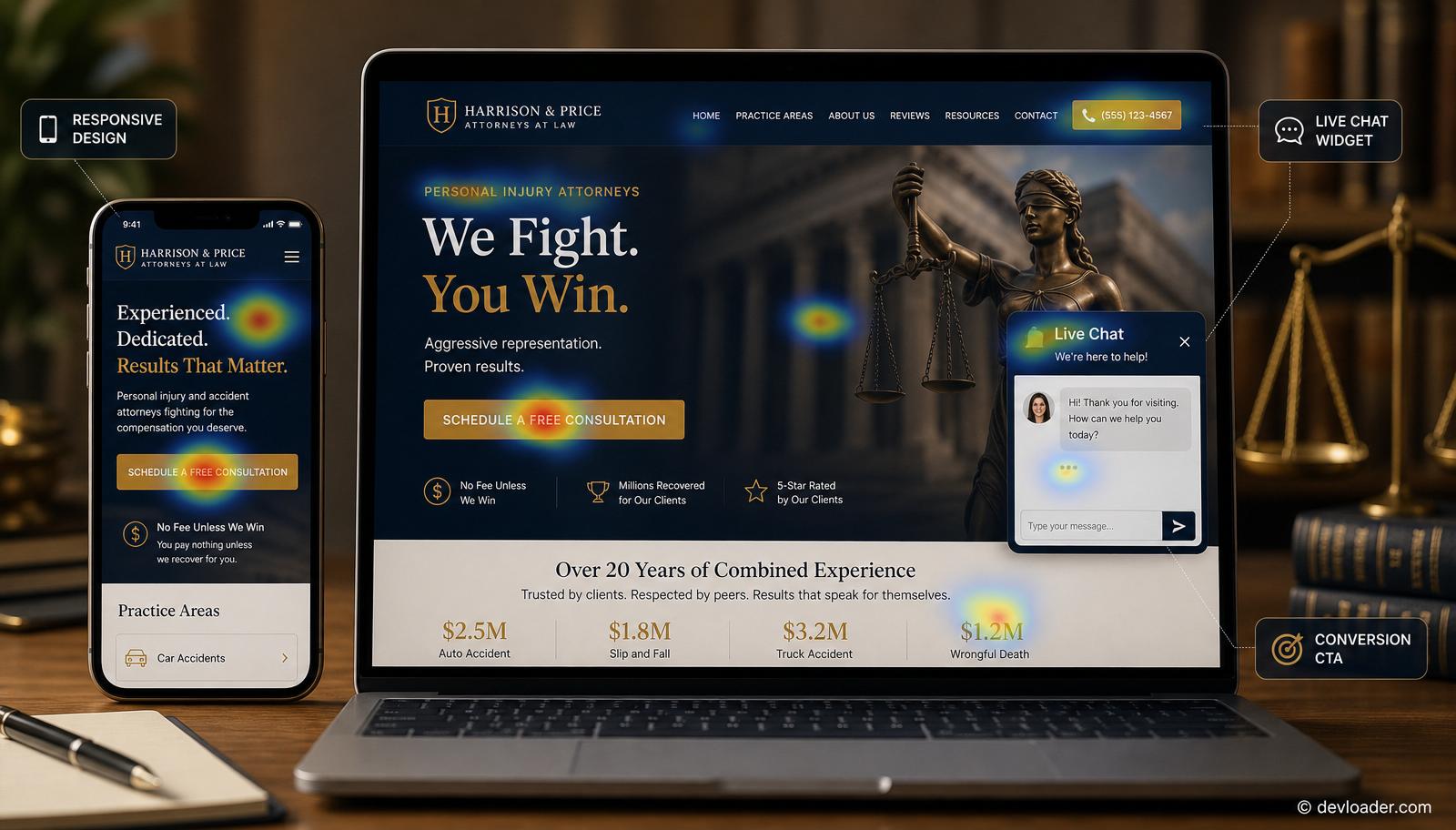
- Immediate assistance. Chatbots for real-time customer support enable 24/7 engagement so a prospective client at 2 AM can still schedule a callback.
- Capturing leads. Beautifully designed lead magnets ("The 10-Step Guide to Navigating a Personal Injury Claim") in exchange for an email address build your list.
- Guiding the click. Place CTAs strategically: above the fold, in the top-right navigation, and at the end of every informative post.
Measuring and Refining Your Strategy
Once your site is live, the work is not over. Continuous improvement is the hallmark of great digital marketing. Track bounce rates, average time on page, and conversion rates to understand what is working and what is not. Then take analytics further with user heatmaps to identify design friction — heatmapping software visually shows where users click, how far they scroll, and where they get stuck, replacing guesswork with data.
Conclusion
Boosting Client Engagement with Web Design is an ongoing, multifaceted process — a balance of stunning visuals, flawless technical performance, and strategic, conversion-focused interactive elements. Prioritize the user experience, lean into industry-specific development, and measure your results consistently, and your website transforms from a simple digital brochure into a powerful, automated engine for client acquisition.
Ready to Boost Your Firm's Engagement?
Dev Loader LLC is a senior web design and development studio helping law firms and professional service brands turn websites into growth engines. From custom law firm website design and lawyer website development to conversion-focused UX, we build platforms that book consultations while you sleep.
👉 Explore our web design and development services or request a project quote — and let's design a site that actually engages your clients.
*Dev Loader LLC — devloader.com*
Frequently asked questions
How does web design influence client engagement for law firms?
Web design shapes the first 5 seconds of trust. Clear typography, credentialed attorney photos, visible reviews, and one-tap contact options raise engagement metrics — average session time, scroll depth, and form starts — which correlate directly with consultation bookings for law firms.
What UX patterns drive the most consultation requests?
Sticky click-to-call bars, single-question hero forms, exit-intent case-evaluation prompts, and social proof modules (verdicts, settlements, verified reviews) consistently outperform generic contact CTAs. Personal injury and family law sites benefit most from urgency-driven microcopy.
Should a law firm site use live chat or chatbots?
Yes — but only when staffed or triaged well. Live chat with a real intake specialist during business hours plus an after-hours AI chatbot that captures name, phone, and matter type consistently lifts qualified lead volume by 15–35% for firms we work with.
How can I measure client engagement on my law firm website?
Track scroll depth, time on practice-area pages, form starts vs. completions, click-to-call taps, chat opens, and returning-visitor rate. Pair GA4 events with call-tracking numbers so every conversion is attributed to the exact landing page and campaign.
What content builds trust fastest for law firm visitors?
Attorney bios with bar admissions and case outcomes, verified third-party reviews (Google, Avvo, Martindale), transparent fee structures for eligible matters, and short explainer videos for each practice area convert visitors faster than long-form marketing copy alone.
Related resources from Dev Loader LLC
Practice-area websites we design
- Convert more claimants with a dedicated personal injury attorney website design built around case value and urgency.
- Reassure planning-focused clients with a warm, trust-forward estate planning lawyer website.
- Explore the full library of practice-area landing pages for law firms.
Keep reading — related law-firm design guides
- Codify what to ship first with our law firm website best practices for design and SEO.
- Reduce friction across every page with usability tips for attorney websites.
- Benchmark competitors using the latest legal web design trends.
- Audit your foundation against the must-have elements of a modern law firm website.