Top Trends in Legal Website Design
From minimalist layouts and mobile-first performance to ADA compliance, trust signals, and conversion-focused UX — the design trends shaping modern law firm websites in 2026.
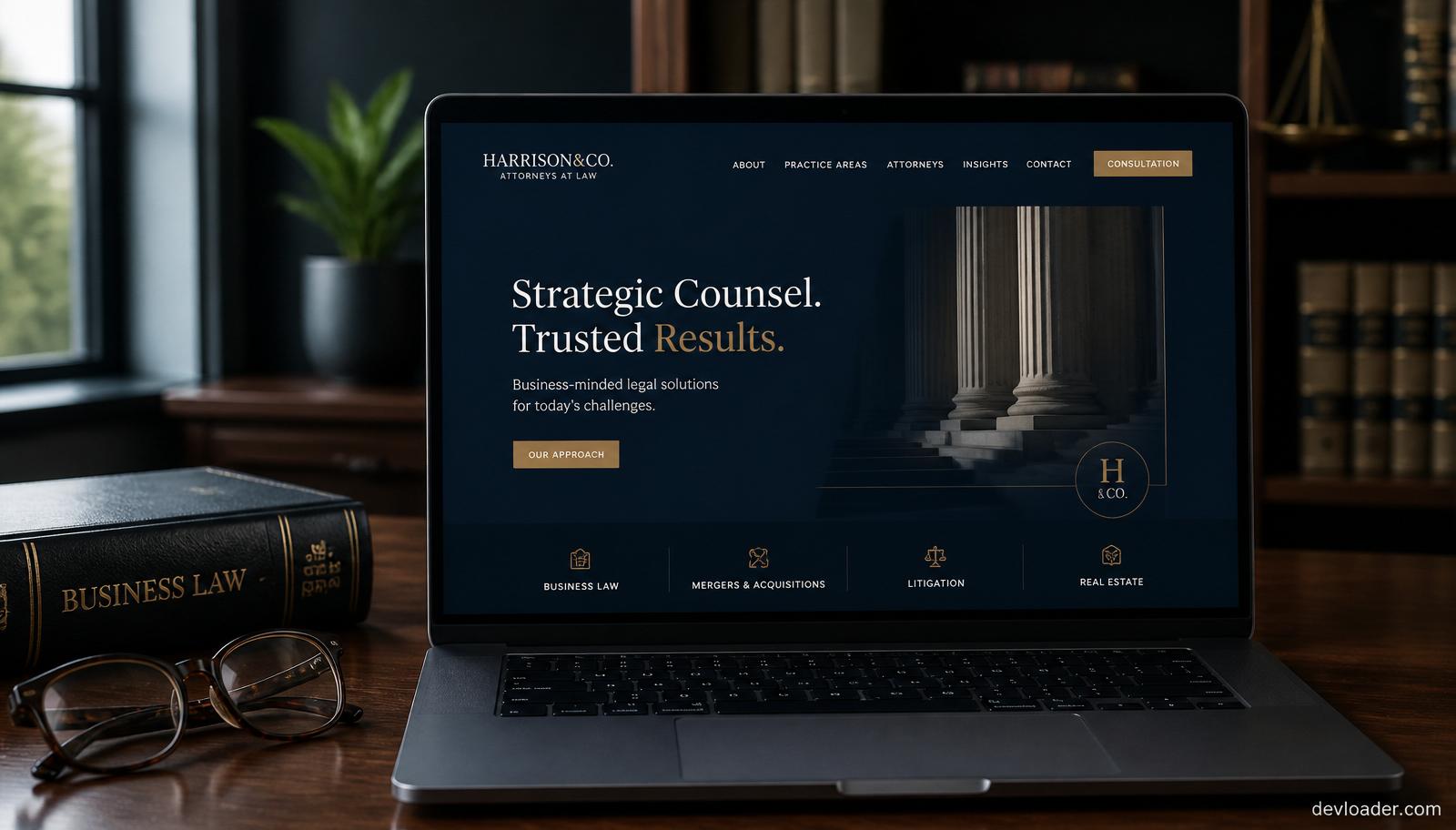
In the highly competitive legal industry, your digital presence is often the first interaction a prospective client has with your practice. Relying on an outdated digital storefront is no longer an option. Staying ahead of the top trends in legal website design is essential for standing out, earning trust, and converting visitors into retained clients.
Whether you are seeking a complete overhaul or starting fresh, understanding the fundamentals of law firm website design is critical. Modern web design for lawyers has shifted from digital business cards to dynamic, client-focused platforms that answer legal questions and provide immediate reassurance.
Here is a deep dive into the most impactful trends shaping the future of digital marketing for attorneys.
Modern Aesthetics and Brand Identity
Visual appeal matters immensely when potential clients are deciding who to trust with their sensitive legal issues.
Visual Storytelling and Layouts
When planning website design for legal firms, the debate often centers around minimalist vs. content-heavy law firm layouts. Today's top law website design heavily favors a clean, minimalist approach. A clutter-free interface guides the user's eye naturally toward essential information without overwhelming them.
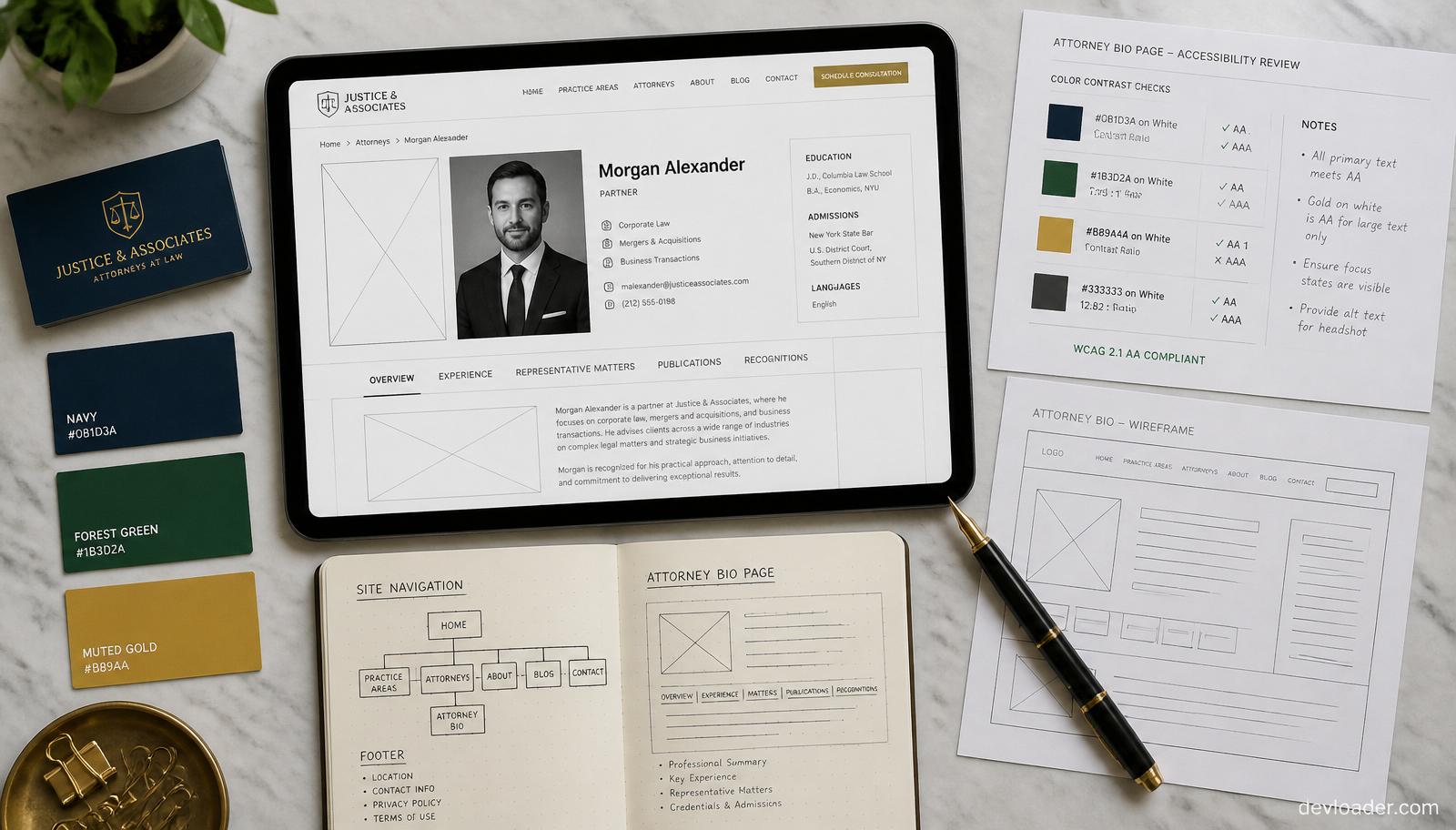
Knowing how to choose a law firm color palette is another vital element of modern legal website design. Deep blues, rich greens, and muted golds convey stability, intelligence, and professionalism. Brand storytelling through high-end legal imagery is replacing generic, staged stock photos. Authentic pictures of your team, office, and daily operations foster an immediate human connection. This level of custom lawyer web design ensures your firm's personality shines through instantly.
User Experience (UX) and Technical Performance
A visually stunning site is useless if it frustrates the user. Technical excellence is the foundation of modern attorney web development.
Speed, Mobile Experience, and Navigation
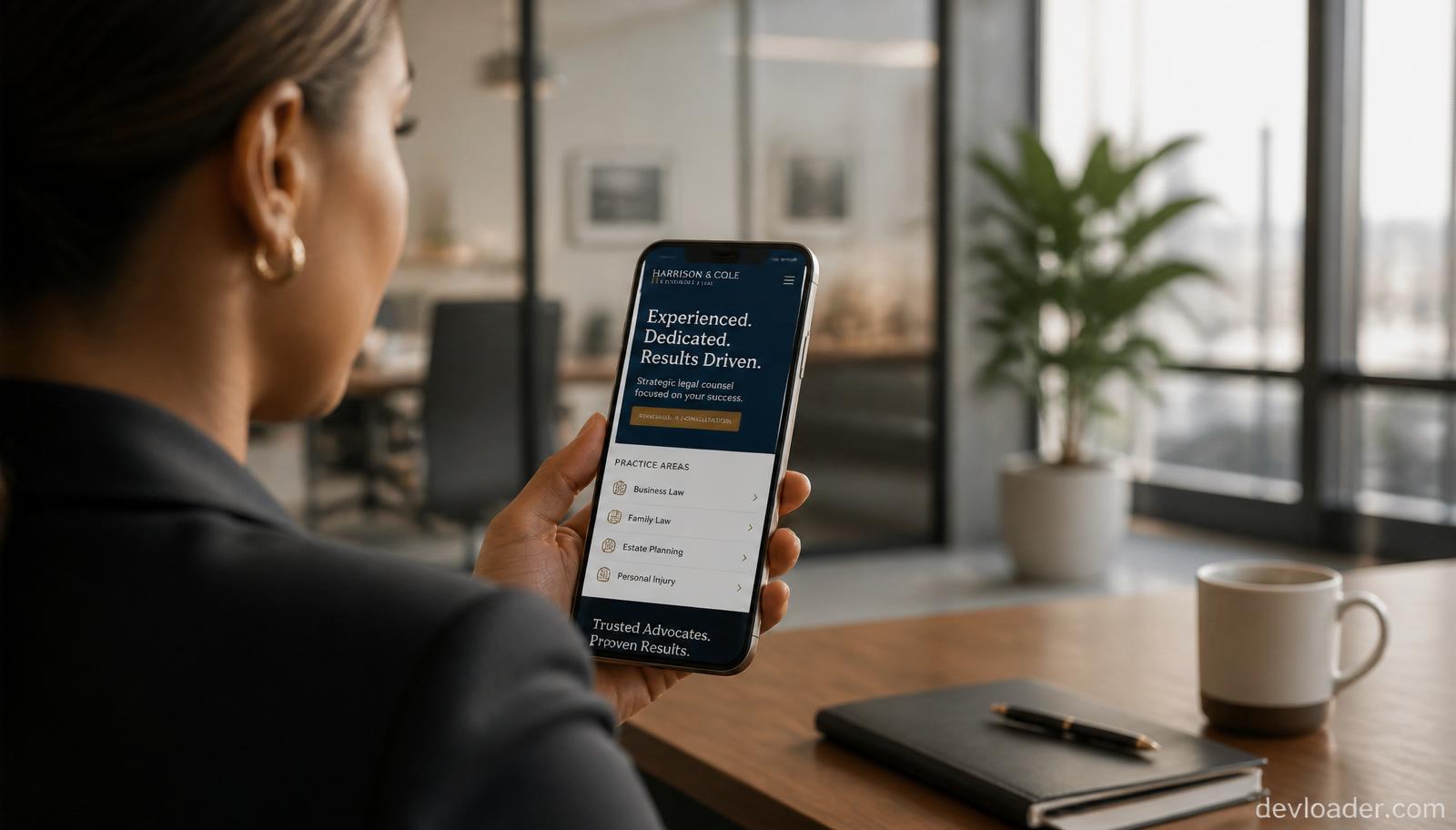
Most prospective clients search for legal help on their smartphones. Adopting a mobile-first design for legal practices is non-negotiable. This ties directly into optimizing page speed for legal websites — to prevent high bounce rates, pages must load in under three seconds.
Effective law firm web development also prioritizes intuitive site architecture. The best navigation structures for law firm websites — sticky menus, clear categorizations of practice areas, and easily accessible contact pages — help users find what they need instantly.
Inclusivity and Compliance
Leading law firm website design services are placing heavy emphasis on digital inclusivity. Meeting ADA compliance standards for law firms isn't just about avoiding accessibility litigation; it's about ensuring equal access for every potential client.
Actionable tips for compliance:
- Ensure high color-contrast ratios between text and backgrounds.
- Add descriptive alt-text to all images.
- Enable full keyboard navigation for users who cannot use a mouse.
- Ensure compatibility with screen-reading software.
Building Trust and Conversion Optimization
Your website must act as a 24/7 rainmaker. To do that, it needs to build authority and seamlessly guide visitors toward taking action.
Trust Signals and Attorney Bios
Understanding how to build trust on a legal homepage is a top priority for any lawyer website development project. Prospective clients are often navigating stressful situations and need immediate reassurance. Video testimonials on attorney sites offer powerful social proof that text alone cannot match.
Showcasing attorney expertise through bio design is equally crucial. Modern bios feature detailed credentials, recognizable awards, published articles, and warm, approachable headshots. This humanizes your practice and is an area where custom law firm website design truly excels.
Lead Generation and Client Functionality
Driving traffic to law firm websites is only half the battle. Implementing advanced attorney website conversion optimization turns anonymous visitors into qualified leads.
Key strategies:
- Strategic CTAs — "Schedule a Free Consultation" should be prominent in the header, mid-content, and footer.
- Frictionless contact — interactive lead-capture forms with conditional logic ask only the relevant questions.
- Client privacy — a secure client portal reassures clients that case files and communications are confidential.
Choosing the Right Development Approach
Builders vs. Custom Web Design
If you are launching a solo practice on a tight budget, a standard lawyer website builder can offer a quick fix, but builders frequently lack the SEO capabilities and customization required for long-term scaling.
For a true competitive edge, investing in custom web design for lawyers through a specialized law firm web design agency is highly recommended. Custom-built sites rank better on search engines and convert at higher rates.
Tailored Solutions for Every Practice Size
Strategies for a corporate legal group differ significantly from small-firm design. Small firms should focus heavily on hyper-local SEO, personalized client relationships, and niche expertise. Whether the goal is a boutique local practice or a multi-state agency, the overarching aim is the same: a frictionless user journey.
Conclusion
Excellent law firm web design is a delicate blend of modern aesthetics, flawless technical performance, and psychological reassurance. Your website is your hardest-working employee, available around the clock. By embracing these trends, prioritizing user experience, and partnering with experts in custom law firm website design, your practice will be perfectly positioned to attract, engage, and retain valuable clients.
Build Your Next-Generation Law Firm Website with Dev Loader
At Dev Loader LLC we design and build custom, conversion-focused websites for law firms, attorneys, and legal practices across the United States. From mobile-first UX and ADA-compliant accessibility to trust-building bios, video testimonials, and secure client portals — we handle the entire build so you can focus on your clients.
- Request a custom quote: devloader.com/services/request
- Explore our services: devloader.com/services
- Read more insights on the blog: devloader.com/blog
Ready to modernize your firm's digital presence? Schedule a free consultation with Dev Loader and get a website engineered to attract, convert, and retain clients.
Frequently asked questions
What are the top legal website design trends in 2026?
The defining 2026 trends are conversational hero sections with AI-assisted intake, motion-safe micro-interactions, dark-mode-first branding for firms targeting younger clients, verified-review carousels sourced from Google, and Core-Web-Vitals-optimized layouts that ship under 100kb of critical JS.
Is AI being used in modern law firm websites?
Yes — responsibly. Leading firms deploy AI for after-hours chat intake, document-request triage, and personalized practice-area suggestions based on referrer keywords. AI features must include disclaimers that they don't constitute legal advice to stay compliant with state bar rules.
Should law firms adopt dark mode on their websites?
Dark mode is optional but increasingly expected — especially for firms serving tech, finance, and younger demographics. Offer a toggle rather than forcing dark mode; the light version still converts better for older clients and probate-heavy practices.
How do design trends affect law firm SEO?
Modern trends emphasize speed, semantic HTML, and structured data — all of which correlate with better rankings. Trend-forward designs that ship excessive animation or unoptimized video can hurt Core Web Vitals, so every trend should be validated against LCP, INP, and CLS budgets.
Which trends should attorneys avoid?
Avoid full-screen video backgrounds that block LCP, autoplaying audio, obscure fonts under 14px, hidden mobile menus without ARIA labels, and generic "AI slop" hero illustrations. These patterns hurt trust, accessibility, and search rankings simultaneously.
Related resources from Dev Loader LLC
Practice-area websites we design
- Apply the newest patterns to a modern personal injury lawyer website.
- Roll trend-forward layouts into an estate planning firm website without losing credibility.
- Browse conversion-tested practice-area templates for every specialty.
Keep reading — related law-firm design guides
- Pair trends with fundamentals in our best practices for law firm websites.
- Turn visual trends into results with client engagement web design tactics.
- Sharpen accessibility with our user-friendly law firm website tips.
- Cross-check your build against the essential elements of law firm web design.